Discover the Benefits of Tailored Nutrition

Have you ever felt like your diet just isn’t working for you? Maybe you’ve tried countless meal plans, only to find yourself tired, hungry, or frustrated. What if the secret to feeling your best lies not in a one-size-fits-all approach, but in something designed just for you? That’s where tailored nutrition strategies come in. They offer a gentle, personalized way to nourish your body and mind, helping you heal and grow in a way that feels natural and supportive.
Why Tailored Nutrition Strategies Matter
Imagine your body as a unique garden. Each plant needs different amounts of sunlight, water, and nutrients to thrive. The same goes for your body. Tailored nutrition strategies recognize that your needs are different from anyone else’s. They take into account your lifestyle, health history, and even your emotional well-being.
When you embrace tailored nutrition, you’re not just following a diet. You’re creating a partnership with your body. This approach can help you:
Boost energy levels by eating foods that truly fuel you.
Support mental clarity and emotional balance.
Improve digestion and reduce discomfort.
Enhance immune function to protect against illness.
Promote healing from trauma and stress.
This kind of nutrition is especially important when you’re on a journey of healing and restoration. It’s about more than just food; it’s about caring for your whole self.
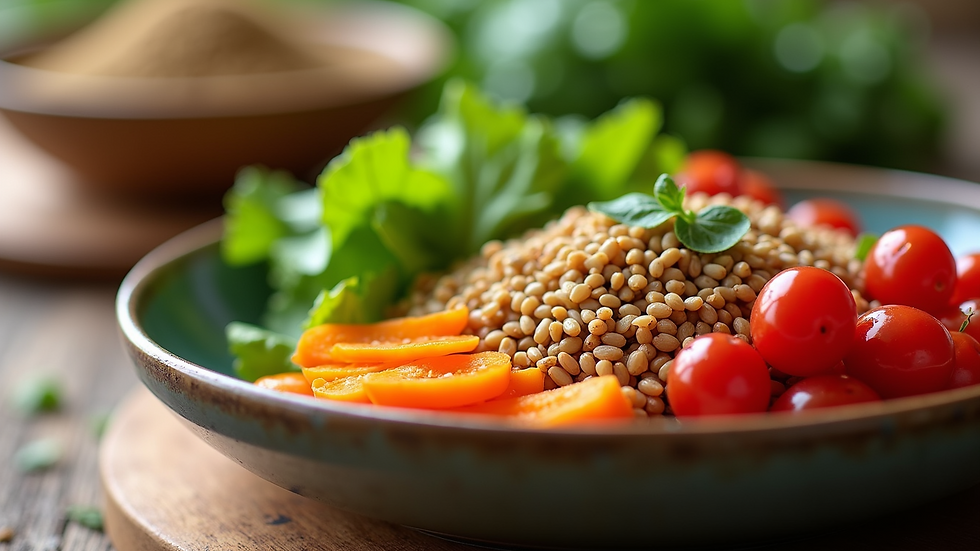
How Tailored Nutrition Strategies Support Healing
When life’s challenges weigh heavily on you, your body and mind need extra care. Tailored nutrition strategies can be a powerful tool in this process. They help you rebuild strength and resilience by focusing on what your body truly needs.
For example, if you’re dealing with anxiety or depression, certain nutrients like omega-3 fatty acids, magnesium, and B vitamins can support brain health and mood regulation. If you’ve experienced trauma, your body might be in a state of chronic stress, which can affect digestion and nutrient absorption. Tailored nutrition can address these specific issues by including anti-inflammatory foods and gut-healing ingredients.
The beauty of this approach is that it’s flexible. It respects your preferences, cultural background, and spiritual beliefs. You don’t have to give up the foods you love; instead, you learn how to balance them in a way that nourishes your whole person.

How do I create a personalized nutrition plan?
Creating a personalized nutrition plan might sound complicated, but it’s really about listening to your body and making small, meaningful changes. Here’s a simple way to start:
Assess your current habits - Keep a food journal for a few days. Note what you eat, how you feel, and any symptoms you notice.
Identify your goals - Are you looking to increase energy, improve mood, or support digestion? Clear goals help guide your choices.
Consider your unique needs - Think about any health conditions, allergies, or lifestyle factors that affect your nutrition.
Choose nutrient-dense foods - Focus on whole foods like fruits, vegetables, lean proteins, and healthy fats.
Plan balanced meals - Aim for a mix of carbohydrates, proteins, and fats to keep your blood sugar stable.
Stay hydrated - Water is essential for every function in your body.
Seek support - Working with a nutritionist or health coach can provide personalized guidance and encouragement.
If you want to dive deeper, exploring personalized nutrition plans can offer tailored guidance that fits your whole-person healing journey.
Remember, this is a process. It’s okay to take it one step at a time and adjust as you learn what works best for you.

Practical Tips to Embrace Tailored Nutrition Every Day
You don’t need to overhaul your entire diet overnight. Here are some gentle, practical ways to bring tailored nutrition into your daily life:
Start your day with intention - Choose a breakfast that balances protein and fiber to keep you full and focused.
Listen to hunger cues - Eat when you’re hungry, stop when you’re satisfied.
Experiment with new foods - Try one new vegetable or grain each week to discover what your body enjoys.
Cook at home more often - This gives you control over ingredients and portion sizes.
Practice mindful eating - Slow down and savor each bite, noticing how different foods make you feel.
Include comfort foods wisely - It’s okay to enjoy your favorites; just balance them with nourishing choices.
Stay consistent but flexible - Life happens, and that’s okay. Adapt your plan as needed without guilt.
These small steps can build a foundation of wellness that supports your mental and physical health.
Nourishing Your Whole Self Through Food
Food is more than fuel. It’s a way to connect with your body, your faith, and your healing journey. Tailored nutrition strategies honor this connection by encouraging you to care for yourself with kindness and respect.
When you nourish your body well, you create space for your spirit to grow. You may find that your mood lifts, your energy returns, and your mind feels clearer. This is not just about eating differently; it’s about embracing a lifestyle that supports your whole person.
If you’re ready to explore how food can be a part of your healing, consider reaching out for support. There are compassionate professionals who understand the unique challenges you face and can guide you with a whole-person, Christian-informed approach.
Your journey to wellness is unique, and tailored nutrition strategies can be a gentle, empowering part of that path. Remember, you deserve to feel nourished, supported, and whole.
Thank you for taking the time to explore the benefits of tailored nutrition strategies with me. I hope you feel encouraged to listen to your body and take small steps toward a healthier, more vibrant you.


Comments